|
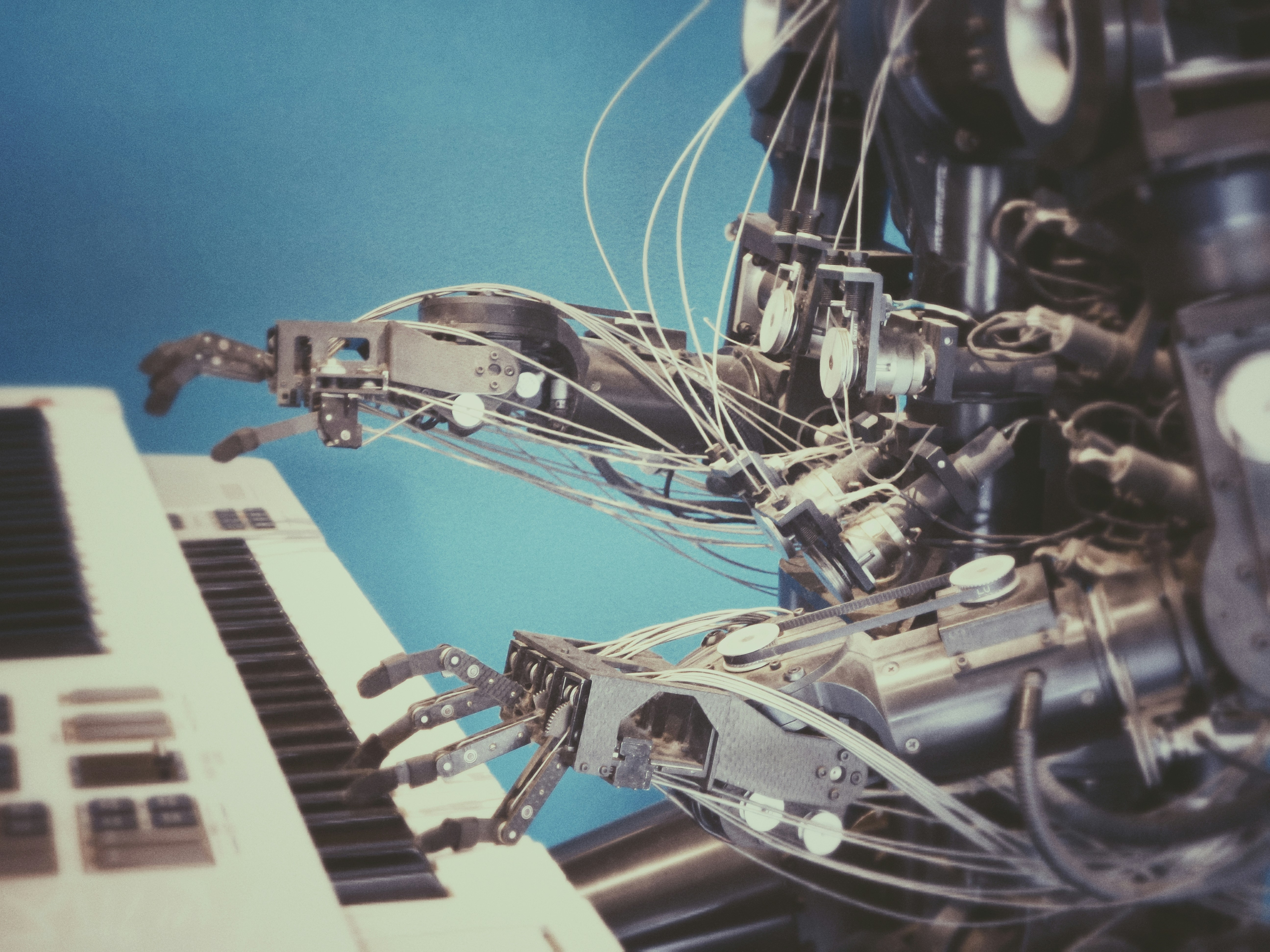
I know you didn't ask, but let's talk about Artificial Intelligence (AI) and the music industry. AI is changing the way we make, distribute, and experience music. Depending on who you ask, it’s either the beginning of a creative renaissance or the end of real artistry. But this isn’t the first time music has faced an existential crisis over technology.
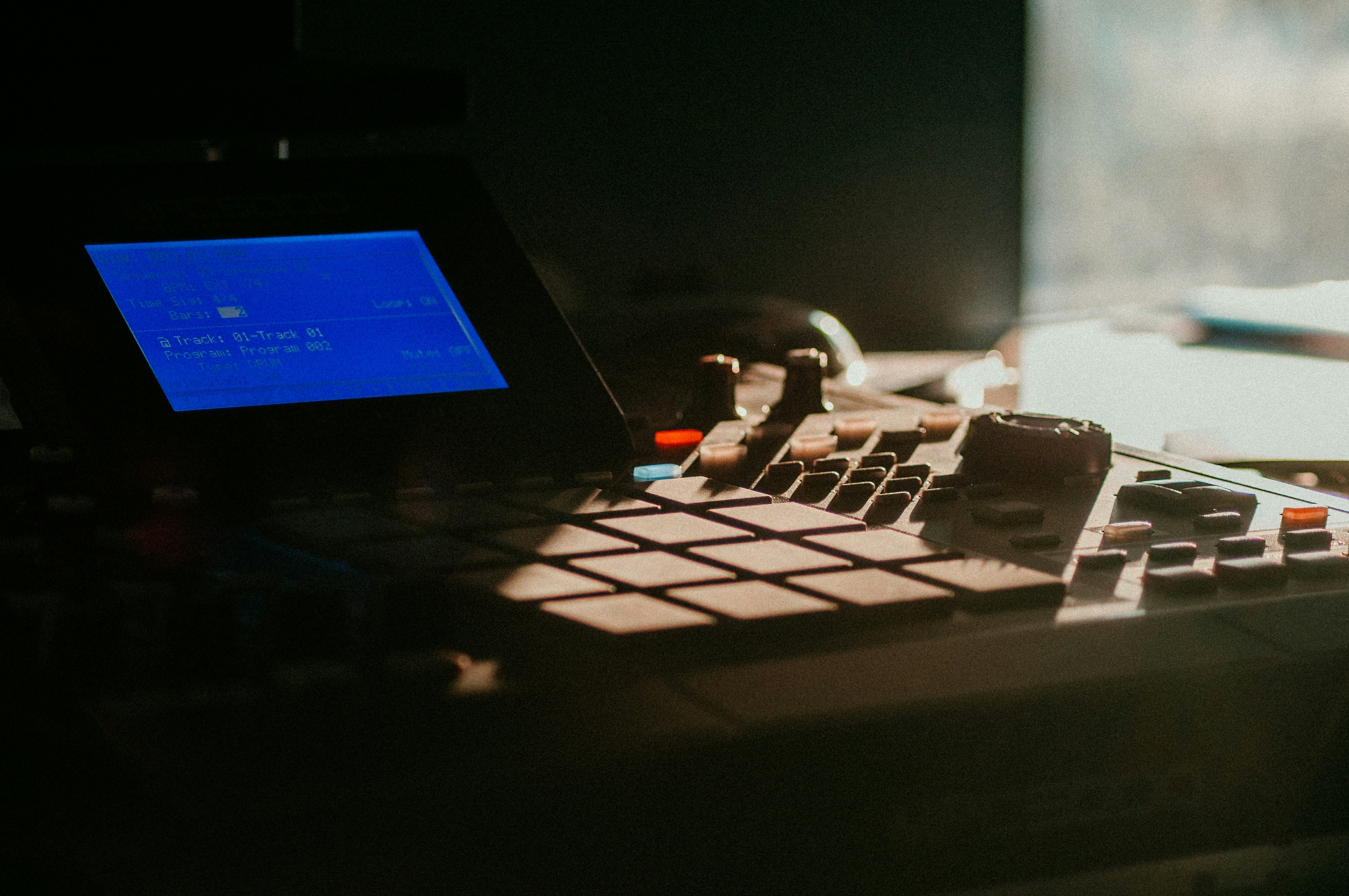
When synthesisers and drum machines first appeared in the 1970s and 80s, they were met with fierce resistance. Many feared they would replace real musicians, cheapen performance, and erase the human touch. Yet those same tools gave birth to entire genres, from synthpop and house to hip-hop and techno. What we’re seeing with AI today feels very similar. The same anxiety that surrounded the Roland TR-808, Linn Drum Computer, or Fairlight CMI has resurfaced, only this time the machine doesn’t just play pre-programmed notes, it generates performances.
AI is now capable of composing, producing, and mastering songs with minimal human input. Platforms like Suno, Udio, and Harmonai can create fully arranged tracks from a simple text prompt, while mastering tools like LANDR and iZotope are refining sound with precision that once required years of studio experience. According to a study, over 15% of global music releases already use some form of AI-assisted production. That figure projected to double by next year (MIDiA Research, 2025).
The real issue isn’t the technology itself, it’s who owns it. Just as major record labels once controlled radio and distribution, tech companies and streaming platforms now control algorithms that decide which artists get heard. AI could democratise creativity, or deepen inequality, depending on who writes the code. The system already favours catalog ownership and engagement metrics over artistic merit, quietly reinforcing the same monopolies that exploited artists for decades.
For developing economies like South Africa, AI could actually level the field. Imagine a 20-year-old producer in Elukwatini or Soweto using AI-driven tools to produce radio-ready tracks without expensive gear or studio time. AI can reduce barriers to entry, but it must come with education and fair access, or we risk creating a new digital elite.
The fear that AI will “kill” music echoes the panic that once met synthesisers and drum machines. But what actually happened was evolution. The technology expanded the soundscape, giving rise to creativity that was impossible before. The danger isn’t the actual tool, it’s the corporations that profit from it. Without proper regulation, AI could reproduce the same exploitative structures that robbed black South African musicians of their royalties in the 20th century. Only this time, the theft happens through data and algorithms rather than contracts and copyrights.
If creativity becomes data, who owns that data? And how do we ensure that artists, not ehem… certain companies, remain the primary beneficiaries of what they create? AI doesn’t have to destroy the soul of music. If we build frameworks that protect creative rights, ensure transparency, and treat innovation as a public good rather than a private monopoly, it can expand it.
Every era of music has had its technological upheaval. The synthesiser didn’t kill musicianship, and AI won’t either unless we let it. The challenge isn’t about resisting machines, it’s about resisting exploitation.
Share It On: